
Review · WALKING TOURS
Ljubljana private walking tour with a local
Ljubljana is easy to love on foot. This private two-hour walk gives you a personal guide, a clear route through the Old Town, and plenty of context for the city’s bridges, squares, architecture, food, and daily life. I especially like the visit to the Central Market, where you may see homemade Slovenian produce and even a milk machine, and the focus on Jože Plečnik, Ljubljana’s most important architect.
I also like the private format. You can ask questions, adjust the pace, and steer the conversation toward food, folklore, history, or architecture. Guides such as Peter and Milos have been praised for friendly presentations and useful suggestions for places to eat and visit afterward. The main drawback is simple: at $78.64 per person, this costs far more than a standard group walk, and the experience may feel too general if you want deep access inside major buildings.
In This Review
- Key points to know before booking
- A compact walk through Ljubljana’s heart
- Start at the Central Market and watch Ljubljana shop
- St. Nicholas Cathedral and the story told by its doors
- Robba Fountain and the old Town Hall
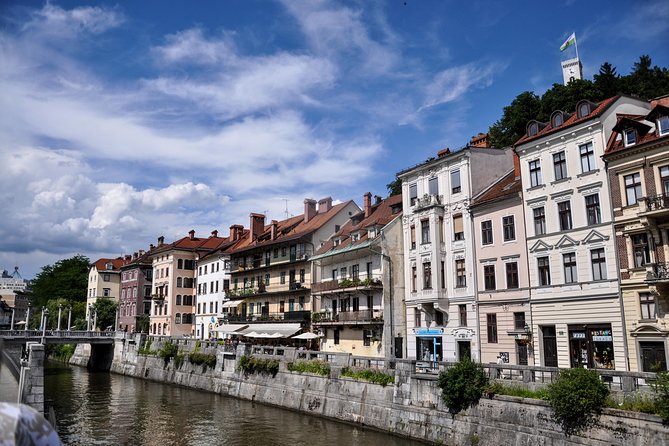
- Shoemaker’s Bridge and the Ljubljanica River
- Plečnik’s National and University Library
- French Revolution Square connects three eras
- Congress Square, Star Park, and a view of Ljubljana Castle
- Prešeren Square brings literature into the walk
- Triple Bridge and the logic behind three crossings
- The Franciscan Church and the Butcher’s Bridge
- Dragon Bridge closes the central route
- What the private format is really worth
- Who will get the most from this walk
- Should you book the Ljubljana private walking tour?
- FAQ
- How long does the Ljubljana private walking tour last?
- What sights are included on the walking route?
- Is this a private tour?
- Is admission included at the cathedral?
- What language is the tour offered in?
- Can I cancel for a full refund?
Key points to know before booking
- A two-hour route covers Ljubljana’s essential center: You’ll walk from the Central Market through the Old Town and along the Ljubljanica River to the city’s best-known bridges and squares.
- The private setup allows personal pacing: Your group walks alone with the guide, making it easier to stop for questions or adjust the route.
- Plečnik’s work is a major theme: The Shoemaker’s Bridge, Triple Bridge, National and University Library, and other landmarks show how one architect shaped modern Ljubljana.
- The Central Market adds everyday local life: This is not only a monument tour. You’ll see produce, dairy goods, bread, flowers, oils, juices, meat, and homemade products from across Slovenia.
- The tour is strongest for first-time visitors: It gives you a useful map of the center and ideas for cafés, food, shopping, and later sightseeing.
- Most stops are exterior visits: The cathedral and Town Hall offer limited interior viewing, and cathedral admission is not included.
A compact walk through Ljubljana’s heart
Ljubljana is a manageable city, but its small size can hide a lot of stories. A bridge may look like a bridge until someone explains its role in medieval punishment, Roman-inspired design, or Slovenian national identity.
This tour uses that idea well. Instead of rushing you to one major sight, it links many small places into a readable picture of Ljubljana. You’ll see how the river shaped the city, how Plečnik changed its public spaces, and how Slovenian writers, rulers, religious institutions, and merchants left their mark.
The route is also practical. It stays in the central area and ends at Prešeren Square, one of the most useful points in town for continuing on your own. At a steady pace, two hours is enough for a broad introduction, though you should not expect long indoor visits or extended museum time.
More Walking Tours in Ljubljana
- Ljubljana: Guided Walk & Funicular Ride to Ljubljana Castle
★ 4.6 · 576 reviews - Ljubljana: Slovenian Cuisine Walking Tour with Tastings
★ 4.8 · 472 reviews - Ljubljana: 2h walking tour with local guide
★ 4.7 · 433 reviews
Start at the Central Market and watch Ljubljana shop
The Central Market is scheduled for about 10 minutes, but it may be one of the most useful stops for understanding present-day Ljubljana. The market has operated on this site for roughly 120 years, and its stalls connect the capital with farms and producers from other parts of Slovenia.
You’ll see fruit and vegetables, dairy products, meat, bread, oils, juices, flowers, and other homemade goods. Much of the produce is described as ecological, and the guide can explain what local people buy and how the market fits into daily life.
The milk machine is an especially memorable detail. It is the sort of small, practical curiosity that makes a city feel real rather than polished for sightseeing.
This stop is not a food tasting. You should think of it as an introduction to Slovenian produce and shopping habits. If local food matters to you, ask the guide for ideas about what to try later. Several people who took the walk appreciated recommendations for food, drinks, cafés, and shops.
St. Nicholas Cathedral and the story told by its doors
The Cathedral of St. Nicholas receives about 10 minutes. The guide explains its history and points out two notable sculptural doors, the Slovenian door and the Ljubljana door.
These doors represent the development of Christianity in Slovenia and give the cathedral more meaning than its exterior alone suggests. They are also useful examples of how a national story can be presented through art.
Admission is not included, and the itinerary identifies the cathedral stop as having no included ticket. The emphasis is on explanation and viewing rather than a long interior visit, so check current opening arrangements if entering the church is important to you.
Robba Fountain and the old Town Hall
The Fountain of Three Carniolan Rivers, usually called Robba Fountain, gets a short five-minute stop. It is a Baroque work with artistic and historical importance, and the guide explains the figures and the fountain’s connection to the rivers of the old Carniola region.
This is a quick stop, but it shows how Ljubljana’s public spaces combine art and civic pride. The fountain sits near the Town Hall, making the next part of the walk feel like a natural continuation rather than a series of disconnected sights.
The Town Hall was built in the late 15th century, and Ljubljana’s mayors have governed from the building since that time. You’ll see it from outside and part of it from inside. The visit is free, but it is not a full guided tour of the building.
That distinction matters. If you want grand rooms, municipal collections, or a long architectural visit, this walk will only give you an introduction. If you want to understand how the city has been governed and how its central square developed, the stop does its job.
More walking tours:
- Ljubljana Small Group Food Walking Tour
★ 5.0 · 306 reviews - Ljubljana boat cruise and walking tour
★ 4.5 · 285 reviews - From Ljubljana: Piran Trip with Historic Walking Tour
★ 4.7 · 91 reviews - Guided Walk and Funicular Ride to Ljubljana Castle
★ 4.0 · 15 reviews
Shoemaker’s Bridge and the Ljubljanica River
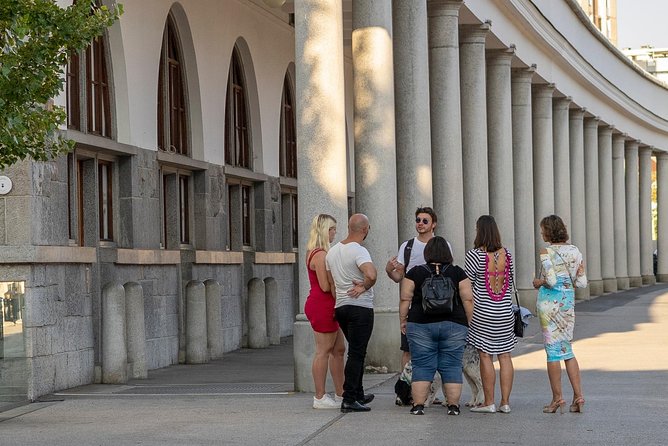
Shoemaker’s Bridge is one of the most interesting stops because the bridge itself is only half the story. It was designed by Jože Plečnik, whose work appears again and again throughout central Ljubljana.
The guide also explains medieval judicial and punitive practices connected with the bridge. Butchers and bakers accused of cheating were reportedly dipped into the river, a punishment that links the bridge to the commercial life of the old city.
That story gives the Ljubljanica River a more active role. The river was not just a pretty waterway. It helped move goods, supported trade, and shaped the city’s public spaces. Today, the riverfront is one of Ljubljana’s most pleasant areas to walk, but the tour helps you see the working river beneath the postcard view.
Plečnik’s National and University Library
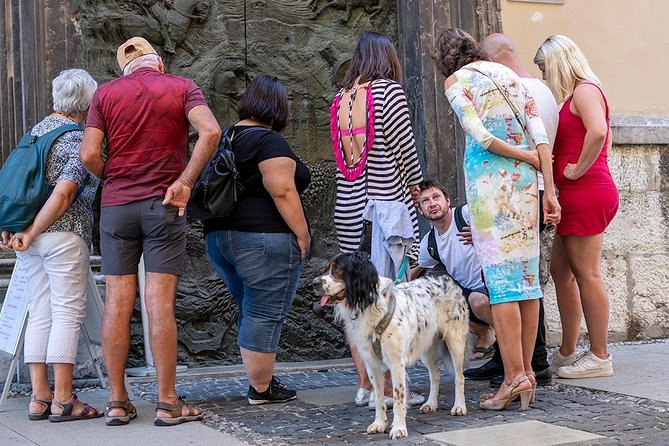
The National and University Library is given about five minutes, with the focus on the building’s symbolism and Plečnik’s design.
The description calls it the architect’s biggest homework, which captures the personal and demanding nature of the project. You’ll look at the building as a symbol of learning, not simply as another historic façade.
This is a good point to ask questions about Plečnik if architecture interests you. He appears in several parts of the tour, and his work is the thread that ties together bridges, squares, civic buildings, and public routes.
The limitation is time. Five minutes is enough to understand why the building matters, but not enough for a detailed study of its materials, interior, or full design program.
French Revolution Square connects three eras
French Revolution Square offers a compact history lesson covering three different periods: the Teutonic knights and their monastery, the Napoleonic Wars and the Illyrian Provinces, and Plečnik’s contribution to the city.
This is one of the better examples of the tour’s method. Rather than treating Ljubljana as a single old town frozen in time, the guide shows how different political powers and historical periods layered themselves onto the same streets.
You may find this stop especially useful if Slovenian history is new to you. Several hours in a city can feel confusing when you do not know how the country fits into larger European events. A short explanation here helps place Ljubljana within the Napoleonic period and its later development.
Congress Square, Star Park, and a view of Ljubljana Castle
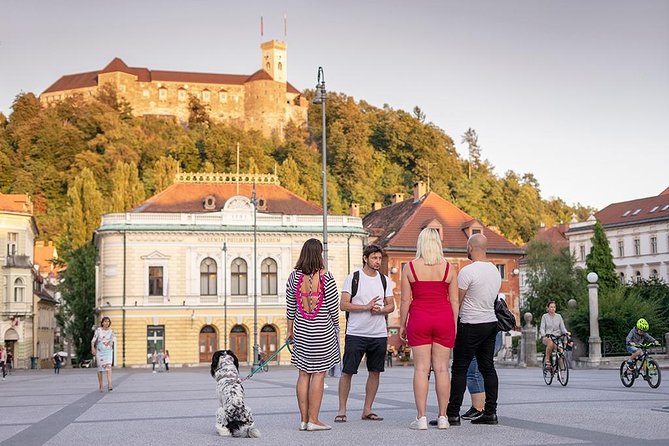
Congress Square is one of the larger civic spaces on the route. You’ll see Star Park, the Ursuline Church, the Slovenian Philharmonic Orchestra building, the University of Ljubljana building, and other important structures.
The square’s name also has a story, which the guide explains. The setting gives you a chance to step back from narrow Old Town streets and see how Ljubljana presents itself as a capital and university city.
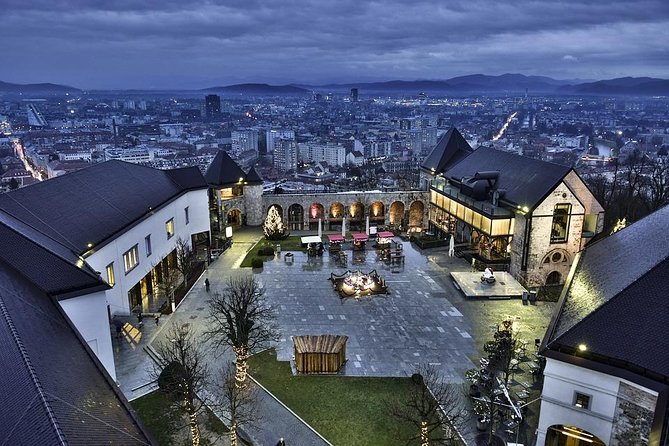
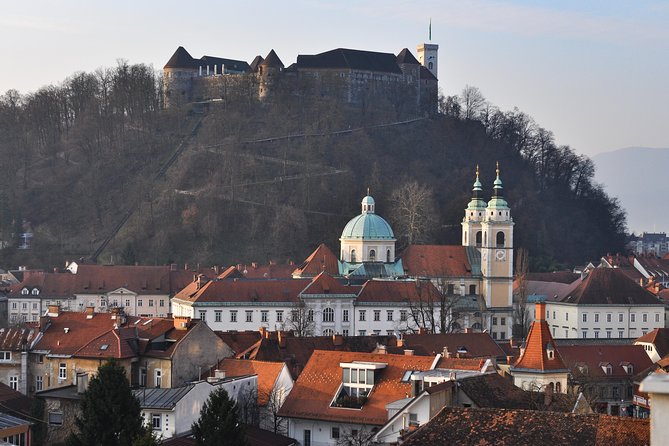
From Congress Square, you also get a view toward Ljubljana Castle. The guide explains the castle’s history and the different purposes it has served since its construction at the end of the 15th century.
This is a viewing stop rather than a castle visit. The tour does not take you uphill or include castle admission, so plan a separate visit if you want the tower, courtyards, or exhibits.
Prešeren Square brings literature into the walk
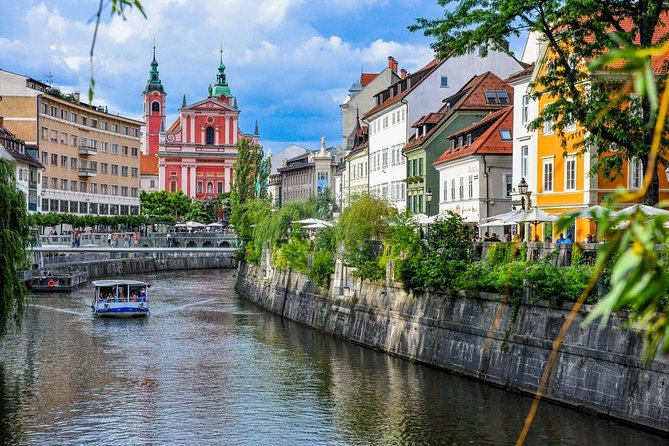
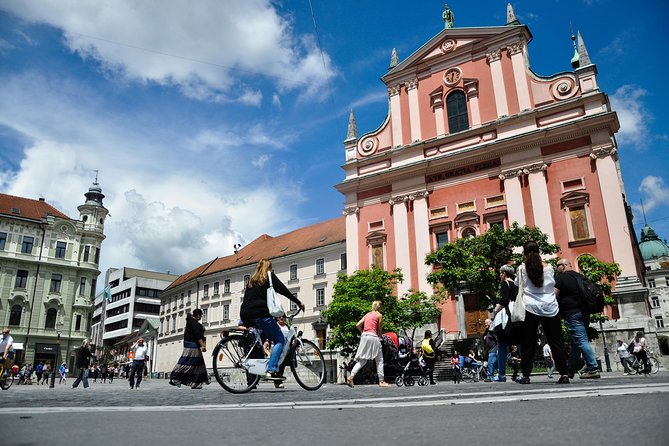
Prešeren Square is the tour’s major meeting point of architecture, public life, and literature. You’ll see the Triple Bridge, the pink Franciscan Church, Art Nouveau buildings, and the statue of France Prešeren, Slovenia’s best-known poet.
The guide explains why Prešeren matters to Slovenian literature and tells the story of his unreturned love. That personal detail helps make the statue more than a formal monument.
From the square, you can also take in the layout of central Ljubljana. The river, bridges, church, façades, and pedestrian routes all come together here. It is a useful place to pause and get your bearings before continuing independently.
The walk ends at Prešeren Square, at Prešernov trg 1. That makes the finish convenient for further sightseeing, though you should note that the listed meeting point is the Mouse Fountain in the Center District. Confirm the precise starting location before setting out, especially if you are arriving early or using a mobile map.
Triple Bridge and the logic behind three crossings
Triple Bridge is one of Plečnik’s best-known works. At first glance, three bridges side by side may seem excessive. The guide explains the history, purpose, and symbolism behind the design.
This is a good example of why a local guide adds value. You can photograph the bridge on your own, but an explanation helps you understand how the structure organizes movement between the square, riverfront, and Old Town.
The stop lasts about five minutes. That is enough for the main idea and a few photographs, but not a long architectural lecture. If Plečnik is your main interest, tell the guide early so the conversation can give more time to his work.
The Franciscan Church and the Butcher’s Bridge
The Franciscan Church has a bright pink Baroque façade and is compared with the Church of the Gesù in Rome. The stop is brief, about three minutes, so expect a quick look and explanation rather than a full church visit.
The Butcher’s Bridge changes the mood. It is a newer bridge, despite its old-sounding name, and it is now known for the love locks attached to its railings. The guide explains both the name and the bridge’s more recent history.
You’ll also hear about the grotesque statues placed on the bridge. They add a strange, theatrical touch to an otherwise romantic setting. This contrast is part of Ljubljana’s charm: a love bridge can also carry unsettling modern sculpture.
Dragon Bridge closes the central route
Dragon Bridge is one of Ljubljana’s most recognizable sights and an important example of Art Nouveau architecture. Its dragons are not random decoration. The guide explains why the dragon became a symbol of Ljubljana.
The stop lasts about 10 minutes, giving you time to look at the bridge and hear its story. It is a strong ending for the route because the dragons are easy to remember, photograph, and recognize later as you explore the city.
After seeing so many Plečnik projects, Dragon Bridge also broadens the architectural picture. Ljubljana is not only a Plečnik city. Its streets show Baroque, Art Nouveau, religious, civic, and modern influences side by side.
What the private format is really worth
The listed price is $78.64 per person. That is a serious price for a two-hour walk, especially for one person or a very small group. It becomes easier to justify if several people share the private booking, since group discounts are available and everyone receives direct attention.
The value comes from the guide rather than admission tickets. Most stops are free, and the cathedral does not include admission. You are paying for the route, explanations, local suggestions, and the ability to shape the walk around your interests.
That flexibility has proved useful for people arriving on unusual schedules. Peter has adjusted start times, collected people from an Old Town residence, and adapted the pace for a group member with mobility issues. Those arrangements are not guaranteed, but they show why you should communicate your needs before the tour.
The tour is offered in English and comes with a mobile ticket. Confirmation is sent within 48 hours, subject to availability. It is near public transportation, service animals are allowed, and most people can participate.
The cancellation rule is firm but common: cancel at least 24 hours before the start for a full refund. Changes or cancellations inside that window are not accepted.
Who will get the most from this walk
I would choose this tour if you are visiting Ljubljana for the first time and want a fast, personal introduction before exploring on your own. It is also a good fit if you enjoy asking questions instead of listening silently in a large group.
It suits you particularly well if you care about:
- Slovenian history and national identity
- Plečnik’s architecture
- Local food and market life
- Folklore and unusual city stories
- Restaurant, café, drink, and shopping suggestions
- A flexible pace for a private group
I would think twice if you want long interior visits, formal museum access, or a low-cost introduction. The two-hour schedule moves efficiently, and several stops are only a few minutes long.
The guide makes a major difference. Peter is the name most often associated with the experience, while Milos is also identified as a strong guide. Peter is described as friendly, punctual, patient with questions, and willing to continue a conversation beyond the booked time. He has also handled cold, rain, heat, and mobility concerns with a practical attitude. Your guide may not be Peter, so confirm the assigned guide if that matters to you.
Should you book the Ljubljana private walking tour?
Book it if you want a personal overview of central Ljubljana and value stories, context, and local advice more than formal entry tickets. The route covers the market, cathedral, civic squares, riverfront, major bridges, Plečnik’s work, and the city’s literary symbols in a tidy two-hour package.
At $78.64 per person, it is not the budget choice. But for a couple, family, or small group that wants a private guide and the freedom to ask questions, it can be good value. I would schedule it near the start of your stay, then use the guide’s food, café, shopping, and sightseeing tips for the rest of your time in Slovenia.
FAQ
How long does the Ljubljana private walking tour last?
The tour lasts approximately two hours.
What sights are included on the walking route?
The route includes the Central Market, St. Nicholas Cathedral, Robba Fountain, Town Hall, Shoemaker’s Bridge, National and University Library, French Revolution Square, Congress Square, Prešeren Square, Triple Bridge, the Franciscan Church, Butcher’s Bridge, and Dragon Bridge.
Is this a private tour?
Yes. Only your group participates in the activity.
Is admission included at the cathedral?
No. Admission to St. Nicholas Cathedral is not included.
What language is the tour offered in?
The tour is offered in English.
Can I cancel for a full refund?
Yes, if you cancel at least 24 hours before the scheduled start time. Cancellations or changes made less than 24 hours before the experience are not accepted for a refund.
Just added around Ljubljana
- Woop! Fun park with 21 attractions★ 4.6 · 3 reviews
- Private Zagreb Tour from Ljubljana★ 4.5 · 3 reviews
- The Deadly Walk – Ljubljana Cemetery Tour★ 5.0 · 3 reviews
- Postojna Cave and Predjama Castle Tour from Ljubljana★ 5.0 · 3 reviews
- Ljubljana: Interactive Workshop with Experienced Weaver★ 5.0 · 3 reviews
- Postojna Caves and Predjama Castle. Private trip.★ 4.5 · 3 reviews
- Introduction to the Specialty Coffee world in Ljubljana★ 5.0 · 3 reviews
- Full-day tour of Postojna Cave and Bled Lake From Ljubljana★ 5.0 · 3 reviews
Walking Tours, compared.
Guided Walk & Funicular Ride to Ljubljana Castle
Read our review →
Piran Walking Tour with Local Wine and Food Tasting
Read our review →
Browse the lists this tour appears in